Child-Safe Pest Control Services Every Family Should Consider


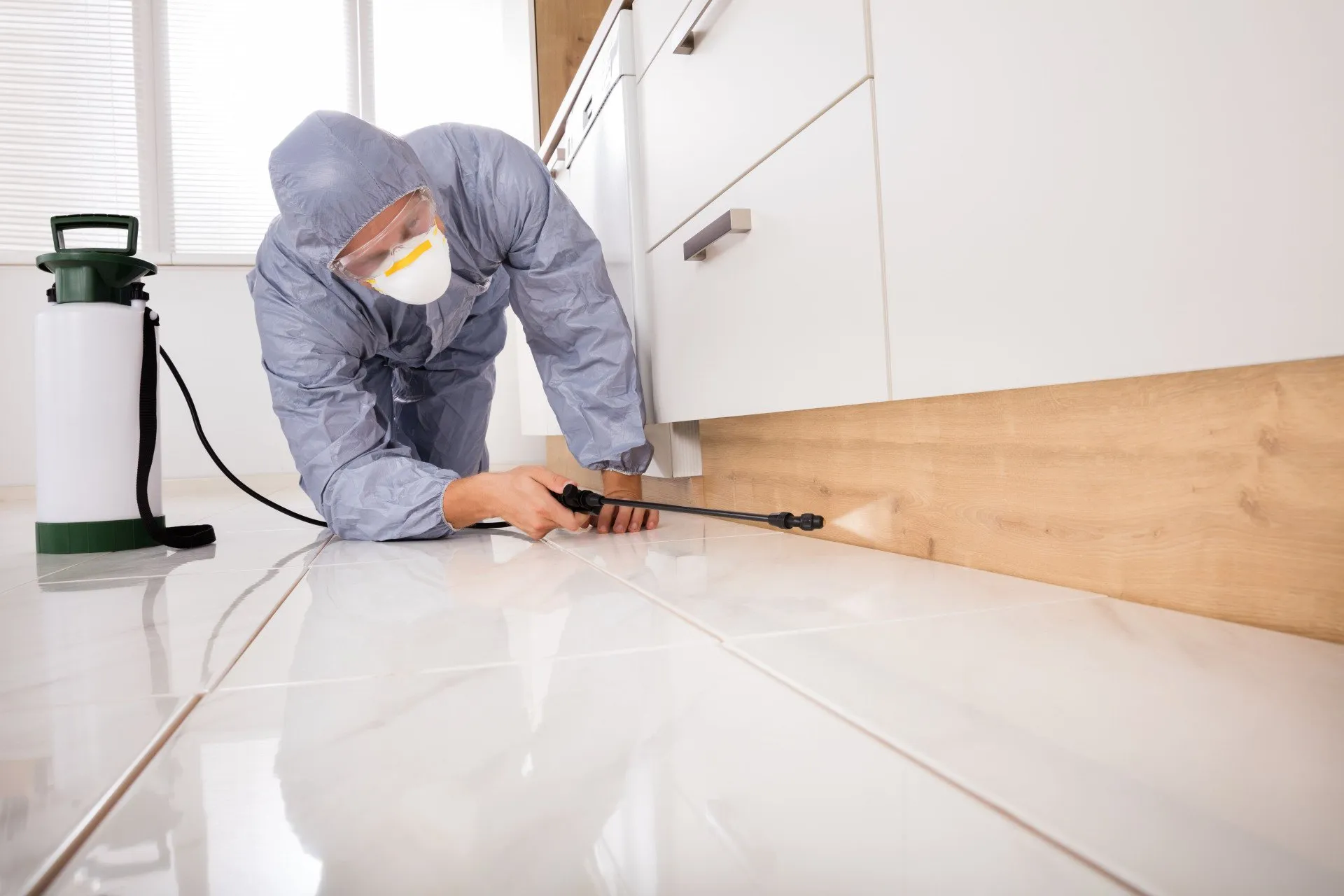
When pests show up in a home with young children, the problem is never just about nuisance. It is about exposure, habits, surfaces, airflow, and the reality that babies crawl where adults never put their hands. Toddlers touch baseboards, drop snacks behind furniture, and treat the floor like a second dining table. That changes the standard for pest management. A treatment that might be acceptable in a warehouse or vacant property can be the wrong choice in a nursery, playroom, or kitchen used by a family every day.
Parents usually reach the same point after trying the obvious fixes. They wipe counters more often, store cereal in better containers, spray something from the hardware store, then notice the ants are back in three days or the roach activity shifts to another cabinet. The mistake is understandable. Most consumer products are designed to feel quick and decisive. Family-safe pest control is slower, more deliberate work. It focuses less on broad chemical exposure and more on inspection, exclusion, targeted application, sanitation, monitoring, and follow-up.
The best child-conscious Pest Control Services do not begin with a technician walking in and reaching for a spray can. They begin with questions. Where are the children spending time? Is there a crawling infant in the home? Are there asthma concerns? Has anyone noticed pest activity near cribs, changing tables, stuffed toys, pantry shelves, or pet bowls? Those details matter because truly safe pest control is not generic. It is built around the way a household actually lives.
What makes a pest control service child-safe
“Child-safe” does not mean chemical-free in every case, and it does not mean harmless under all circumstances. That is an important distinction. Any honest professional will tell you that pest control involves risk management, not magic language. The safest providers reduce risk by choosing the least intrusive effective method, limiting where products are applied, controlling access to treated areas, and solving the conditions that allow pests to thrive in the first place.
In practice, that usually means integrated pest management, often shortened to IPM. In family homes, IPM is far more useful than routine blanket treatments. It prioritizes inspection, sealing entry points, moisture control, habitat reduction, mechanical trapping, baiting in protected placements, and very selective use of materials when necessary. If a company advertises “family friendly” service but cannot explain its inspection process, monitoring tools, or how it avoids unnecessary broadcast spraying, that claim deserves a closer look.
A child-safe approach also considers timing. There is a difference between applying a product in a locked utility void and fogging a living space right before afternoon naptime. There is a difference between a tamper-resistant bait station secured in a garage corner and loose bait where a curious preschooler can reach it. The right company takes those differences seriously without being prompted.
Ant control that protects kitchens, lunchboxes, and little hands
Ants are one of the most common reasons families call for help, and they are also one of the easiest pests to make worse with the wrong treatment. Many parents see a trail near the sink and immediately wipe it away with a strong cleaner, then spray the visible ants. That often kills the foragers but leaves the colony untouched. Within days, the trail simply reappears from a different crack.
Child-safe ant control relies heavily on identifying the species and placing bait where ants can retrieve it without children contacting it. That may mean micro placements inside inaccessible voids, under appliances, or in tamper-resistant stations outdoors near the point of entry. In many homes, exclusion work matters just as much as the bait. I have seen recurring ant issues traced to a gap around a water line under the sink, a rotted window sill above a toy chest, or tree branches touching the roof and giving ants a bridge indoors.
Families should expect some patience with ant work. It can take several days or longer for an effective baiting program to suppress a colony. That lag frustrates people who want instant results, but it is often the safer and more effective route. A provider who explains that trade-off clearly is usually a better sign than one promising overnight eradication with aggressive spraying.
Roach treatments deserve a higher standard in homes with children
Cockroaches are a public health concern, especially in apartments, older homes, and humid regions. Their droppings, shed skins, and body fragments can worsen allergies and asthma. For children already dealing with respiratory sensitivity, a persistent roach problem is more than a cosmetic issue.
The safest effective roach programs rarely depend on exposed sprays. Professionals who work carefully around children often use a combination of targeted gel https://cesariimy256.quantlynix.com/posts/pest-control-services-for-restaurants-and-food-service-businesses baits in cracks and voids, insect growth regulators in specific locations, monitoring traps placed where children cannot access them, and detailed sanitation guidance. That sounds simple, but details make the difference. If there is grease behind the stove, moisture under the sink, cardboard clutter in a laundry room, and open snacks in lower cabinets, the treatment will struggle no matter how good the product is.
In one multifamily case I observed, a family had been using aerosol sprays every weekend because they kept seeing roaches after dark. The sprays had pushed the insects deeper into wall voids and dispersed them into neighboring units. Once a professional shifted the strategy to targeted baits, source reduction, and crack sealing around plumbing, the sightings dropped steadily over a few weeks. It was not dramatic on day one, but it was safer and far more durable.
With roaches, follow-up is often essential. Eggs hatch on their own schedule, and infestations are rarely limited to the bugs you happen to see. Families should be suspicious of one-time promises when the situation is established. A careful series of visits is often the better path.
Rodent control should center on exclusion first
Mice and rats create a different kind of urgency because parents know children can come into contact with droppings, urine, nesting material, and gnawed food packaging. Many families also worry, reasonably, about traditional rodenticides. Those concerns are not overblown. In a home with small children, loose poison use is hard to justify when safer control methods and stricter placement standards are available.
The child-safe version of rodent control starts with a detailed exterior and interior inspection. A mouse can squeeze through openings that look insignificant to most homeowners. Gaps around utility penetrations, garage door corners, roofline defects, crawlspace vents, and damaged weatherstripping are common culprits. Closing those gaps is often the single most important part of the job.
Mechanical traps can be very effective when they are placed strategically and protected from access. That usually means locked stations, utility areas, attics, crawlspaces, behind fixed appliances, or other controlled locations. Good providers also address attractants. Bird seed in the garage, pet food left out overnight, and produce stored in thin bags can sustain rodent activity even after trapping begins.
There are cases where bait stations outdoors are part of a professional plan, particularly when pressure from surrounding properties is high. But in a child-focused service, that decision should come with a clear explanation of where stations will go, how they are secured, why bait is necessary, and what alternatives were considered. Families deserve that level of transparency.
Termite services matter even when the danger is not immediate to children
Termites are not typically thought of as a child safety issue, yet the service approach still matters in a family home. If a house needs a termite treatment, parents should understand whether the plan involves localized treatment, baiting systems, trenching, drilling, or another method. The concern is not just the active ingredient. It is where the work occurs, how long areas need to remain undisturbed, whether flooring or slab penetrations are involved, and how technicians will prevent children from contacting any materials or disturbed soil.
For many families, termite baiting systems are appealing because they allow for monitoring and targeted colony control around the property perimeter with professionally secured stations. They are not the right answer in every construction type or infestation scenario, but they fit well with a risk-reduction mindset. Soil treatments can also be appropriate and highly effective when handled properly, especially in severe or structural cases. The key is competent explanation and site-specific planning.
A provider who minimizes all parent questions with “it’s perfectly safe” is not being reassuring, only dismissive. The better answer is more nuanced: this is the method recommended, here is why, these are the precautions, this is where children should not play during and after treatment, and this is when normal activity can resume.
Mosquito management around yards where kids actually play
Backyard mosquito control is one of the clearest examples of why child-safe service has to go beyond spraying. Many companies market seasonal treatments as if they are the whole solution. In reality, spraying alone rarely solves the problem if the yard has standing water, dense shaded foliage, clogged drains, neglected toys collecting rain, or planters that stay soggy for days.
A family-oriented mosquito program starts by reducing breeding habitat. That may include correcting drainage issues, emptying water-holding items, adjusting irrigation, treating unavoidable water sources appropriately, and trimming vegetation where adult mosquitoes rest. Only after that should a technician decide whether targeted applications are warranted.
This is one area where parents should discuss schedules carefully. If the yard is used daily, treatment timing matters. Applications before a weekend birthday party may not be ideal if children will be running barefoot through the space within hours. A conscientious company will explain reentry timing, weather considerations, and whether a less disruptive schedule makes more sense. That conversation is part of the service, not an extra.
Flea and tick control needs a whole-home view
Fleas and ticks often enter the picture through pets, but children tend to suffer the consequences quickly because they spend so much time on floors, rugs, and lawns. What makes flea work tricky is that the infestation is rarely limited to the places you can see. Eggs, larvae, and pupae may be spread across upholstery, pet bedding, cracks in flooring, and shaded outdoor zones. That is why single-step consumer treatments so often disappoint.
A strong child-conscious flea program coordinates indoor and outdoor efforts while giving the family clear preparation instructions. Vacuuming thoroughly before and after treatment, laundering pet fabrics at suitable temperatures, working with a veterinarian on pet treatment, and limiting access to treated areas for the required interval all matter. A family that skips those steps may think the service failed when the problem was really incomplete control of the life cycle.
Ticks are different. They often come from the yard edge, brush, ornamental beds, or nearby wildlife pathways. Children who play close to fence lines, sit in leaf litter, or roll through unmanaged grass face more exposure than adults walking down the center of the lawn. Here again, habitat management is central. Strategic trimming, leaf removal, and creating cleaner play zones can reduce risk substantially before any product is considered.
Bed bug services demand discipline, not guesswork
Few household pests create as much stress as bed bugs, especially when children are involved. Parents tend to notice bites first, then panic and start moving bedding, discarding furniture, or applying random products from discount stores. That reaction is understandable but often makes the infestation harder to contain.
Bed bug control in family homes has to be precise. Professionals may use heat, targeted residuals, steam, encasements, interceptors, and painstaking inspection of sleeping areas and adjacent rooms. The safest route depends on the severity of the infestation, the layout of the home, and the ages of the children involved. Heat treatments can be effective, but they require careful preparation and are not automatically superior in every case. Chemical approaches can also work well when they are highly targeted and paired with monitoring and follow-up.
What families need most in a bed bug situation is a provider who will speak plainly about labor. There is no elegant shortcut around preparation. Laundry, decluttering, reducing hiding spots, and keeping sleeping arrangements stable are tedious but important. Companies that promise effortless eradication without family participation are often selling confidence more than results.
The services families should ask about before signing
A sales pitch can make nearly any company sound careful. The useful difference emerges in the questions they can answer without hesitation. If a provider is genuinely equipped for homes with children, they should be able to walk through procedures in plain English, not just cite a generic safety statement.
Here are five questions worth asking before you book:
- How do you adjust treatment plans for homes with crawling babies, toddlers, or children with asthma?
- Will you rely on inspection, exclusion, and targeted placements before using broad indoor sprays?
- Where exactly will products or traps be placed, and how will those areas be secured from children?
- What preparation and reentry instructions should our family follow on the day of service?
- Do you offer follow-up visits and monitoring, or is this structured as a one-time treatment?
The answers tell you a great deal. A thoughtful company usually responds with specifics, not slogans. They may mention crack and crevice application, sealed bait placements, tamper-resistant stations, moisture correction, exclusion repairs, or how long treated surfaces need to dry before reentry. Vague assurances should not satisfy a parent trying to protect a child.
Warning signs that a service is not as family-safe as advertised
There are patterns that tend to separate careful providers from careless ones. One is rushing. If a technician spends only a few minutes glancing around before recommending treatment, the plan is probably product-driven rather than inspection-driven. Another is overpromising. Pest biology rarely obeys sales timelines. When someone guarantees complete elimination overnight for ants, roaches, fleas, and rodents alike, skepticism is healthy.
A third warning sign is resistance to discussing ingredients, labels, placements, or alternatives. Parents do not need a chemistry lecture, but they do need honest information. A company should be comfortable explaining whether a treatment is localized, whether children need to avoid specific rooms, and what nonchemical steps are part of the program. If questions seem to annoy the provider, that is its own answer.
Finally, be cautious with companies that treat every pest the same way. The methods suitable for mosquitoes outdoors are not the methods suitable for roaches behind a dishwasher or mice in a basement wall. Good Pest Control Services are diagnostic. They adapt to the pest, the building, and the family.
Preparing your home without turning life upside down
Families often imagine pest service prep as a massive upheaval. Sometimes the instructions are involved, especially for fleas or bed bugs, but many routine visits only require practical adjustments. The goal is to create access for the technician and reduce the chances that pests simply relocate deeper into the home.
The most helpful prep usually includes cleaning food residue from counters, storing exposed snacks, clearing under-sink cabinets if those areas will be inspected, moving toys away from baseboards in treatment zones, and making sure technicians can reach utility areas, laundry rooms, and appliance gaps. If you have infants, it is wise to remove pacifiers, teethers, and floor-play items from any room under service, then wash or wipe down surfaces according to the company’s instructions before returning those items.
Parents sometimes overclean after treatment and accidentally undermine the plan. Wiping away a precisely placed ant bait or aggressively mopping every baseboard after a crack treatment can reduce effectiveness. This is another reason communication matters. You should know what to leave alone, what you can clean normally, and when.
Why the best results often come from modest-looking work
Some of the most effective child-safe pest control does not look dramatic. It may be a sealed gap under a sink, a door sweep replaced correctly, a dehumidifier added to a damp basement, a bait placement the child will never see, or a line of vegetation trimmed back from the siding. Families sometimes expect visible action because visible action feels reassuring. But with pest management in occupied homes, the quieter fix is often the better one.
I have seen severe recurring ant issues end because a technician found one hidden branch touching the soffit. I have seen mouse problems stabilize after steel wool, sealant, and weatherstripping were installed where prior providers had only set traps. I have also seen parents spend hundreds on sprays, bombs, and scented repellents that delivered a weekend of relief and a month of frustration. The difference was rarely effort. It was method.
Choosing the right partner for your family
The best family-focused pest company is not always the cheapest, and it is not always the one with the most aggressive coupon. What you are really buying is judgment. You want a provider who understands that effectiveness and caution are not opposites. In a home with children, they have to work together.
Look for a company that inspects thoroughly, documents what it finds, explains why the infestation is happening, and outlines a plan with both treatment and prevention. Pay attention to whether they ask about your children before you ask about theirs. That small detail often reveals how they think. For the right professional, safety is not a line item after the fact. It is part of the diagnosis from the beginning.
Child-safe Pest Control Services are not about pretending pests can be solved with zero disruption or zero risk. They are about using expertise to keep both as low as reasonably possible while still solving the problem. For families, that balance is not a luxury. It is the standard worth insisting on.
Affordable Pest Solutions LLC
Phone number: +19732299547
FAQ About Pest Control Services
How much does pest control charge?
For a standard 1,500-square-foot home, professional pest control charges generally average $100 to $300 for an initial visit, with ongoing monthly services running $40 to $75 per visit and one-time emergency exterminations costing $100 to $600, depending heavily on the specific pest and the severity of the infestation.
What is the hardest pest to get rid of?
Bed bugs are widely considered the hardest household pest to get rid of, closely followed by German cockroaches and subterranean termites.
What is included in a pest control service?
A standard pest control service includes a property inspection, targeted treatments, and prevention advice. It typically covers common pests like ants, spiders, and cockroaches, using sprays, baits, or traps.